


E-mail:
info@zhongheindustry.com
-
-

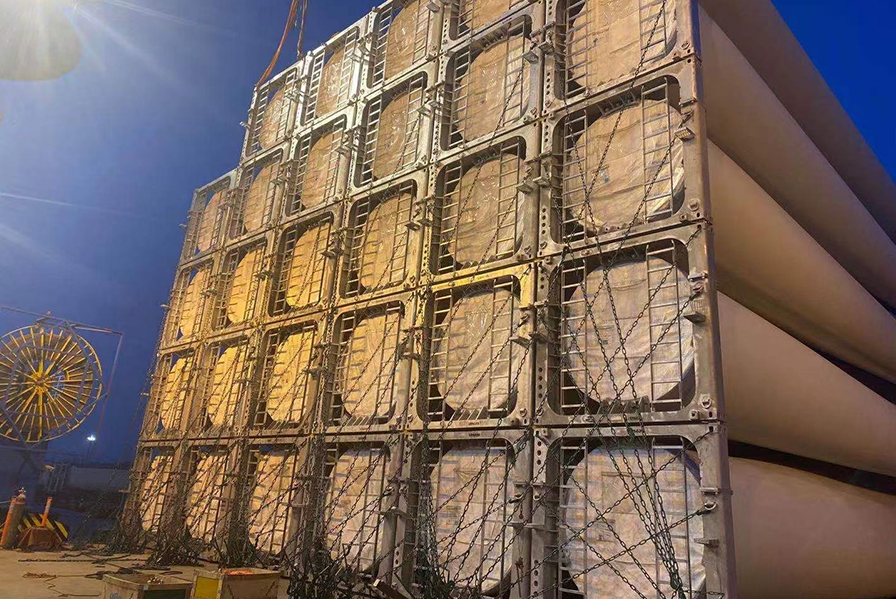
Marine lashing equipment is essential for securing cargo on ships during sea transportation. Designed to withstand harsh marine conditions, the marine lashing equipment ensures cargo remains safe and undamaged throughout the journey.
As a professional manufacturer of marine lashing equipment, Zhonghe's products, made from high-tensile steel or stainless steel, are resistant to corrosion and wear, providing reliable performance in demanding environments.

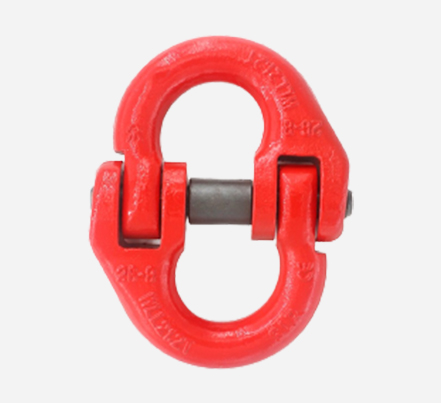
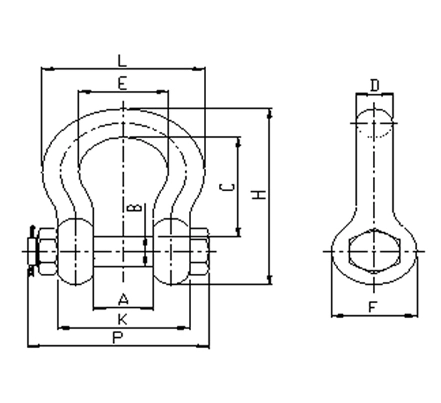
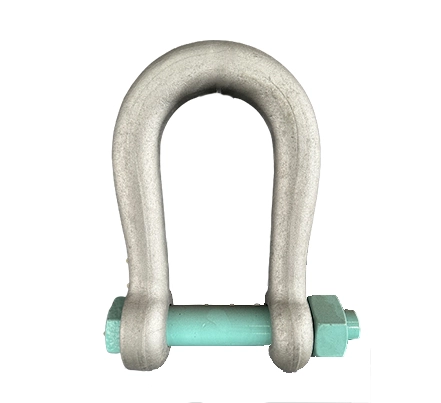
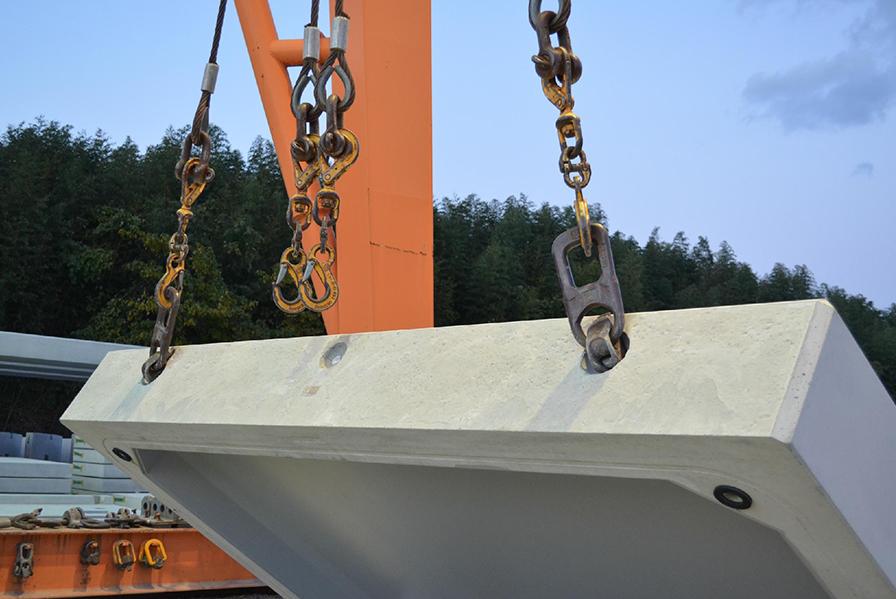
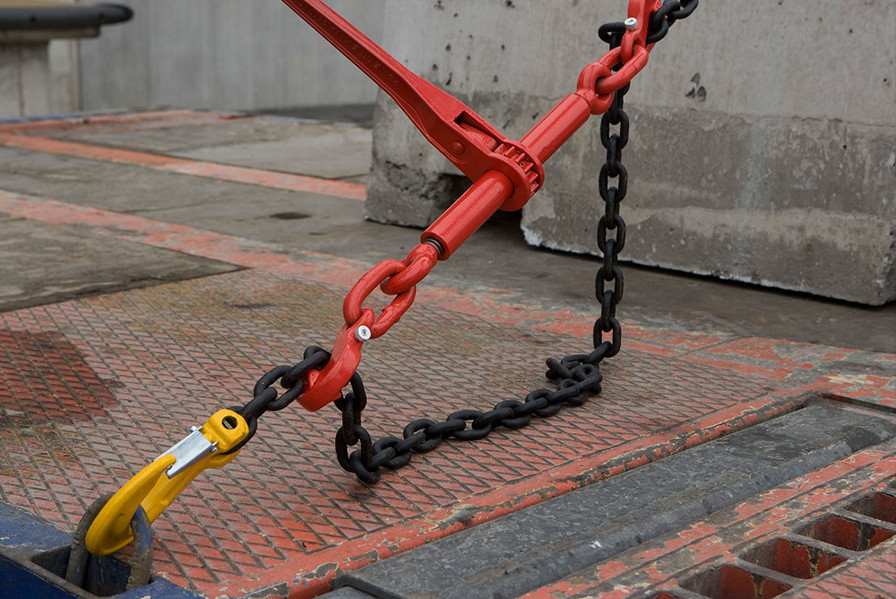
This equipment includes various components such as chains, shackles, turnbuckles, D-rings, lashing bars, and tensioners. These components are used to secure cargo to the ship's deck and prevent it from shifting or moving during transportation. The equipment must be made of high-quality materials that are resistant to corrosion and wear, such as high-tensile steel or stainless steel.
| Component | Material | Use Case |
|---|---|---|
| Chains | High-Tensile Steel | Securing heavy cargo to deck |
| Shackles | Stainless Steel | Connecting lashing components |
| Turnbuckles | Stainless Steel | Adjusting tension in lashings |
| D-Rings | High-Tensile Steel | Anchoring points for lashings |
| Lashing Bars | High-Tensile Steel | Reinforcing cargo stability |
| Tensioners | Stainless Steel | Tightening lashing systems |
ZHONGHE is a professional manufacturer of Marine Lashing Equipment, offering a wide range of products including Marine Lashing Chain Tensioners, C Hooks, Marine D Rings, Trailer Horses, and other related components. Backed by advanced forging capabilities and international certifications, ZHONGHE delivers reliable and high-strength solutions for marine cargo securing needs.
There are different lashing techniques that are used to secure cargo on board ships. These techniques include diagonal lashing, transverse lashing, and longitudinal lashing. Each technique involves using a combination of lashing equipment to secure the cargo to the ship's deck or bulkhead.
Secures cargo by attaching equipment at angles, providing stability against lateral movements during transit.
Prevents side-to-side shifting by securing cargo perpendicular to the ship's axis.
Ensures cargo stability along the ship's length, countering forward and backward movements.
Regulations: The International Maritime Organization (IMO) sets regulations for the use of marine lashing equipment and techniques. These regulations ensure that the equipment and techniques used are safe and effective for securing cargo during sea transportation. The regulations also include guidelines for the weight and size of cargo that can be transported and the minimum number of lashings required to secure the cargo.
Inspection: Marine lashing equipment and lashings must be inspected regularly to ensure they are in good condition and can withstand the stresses of sea transportation. The inspections must be carried out by qualified personnel and follow established procedures.
Training: Workers involved in marine cargo transportation and lashing operations must receive proper training to use the equipment and techniques safely and effectively. The training should cover the use of different lashing equipment and techniques, the regulations governing marine lashing, and the importance of proper inspection and maintenance.
In conclusion, marine lashing equipment and marine lashing techniques are crucial for securing cargo on board ships during sea transportation. The equipment must be made of high-quality materials and be regularly inspected to ensure it can withstand the harsh conditions of sea travel. Workers involved in marine lashing operations must receive proper training to use the equipment and techniques safely and effectively.